Q1
What was the Green Revolution?
AA movement that modernised Indian agriculture
BA type of festival
CA type of war
DA type of dance
Modern agriculture in India uses technology, machinery, and scientific methods to increase crop yields and improve farming efficiency.
Core concept
The Green Revolution, starting in the 1960s, introduced high-yielding seed varieties, chemical fertilisers, and improved irrigation, significantly increasing India's food production.
How it works
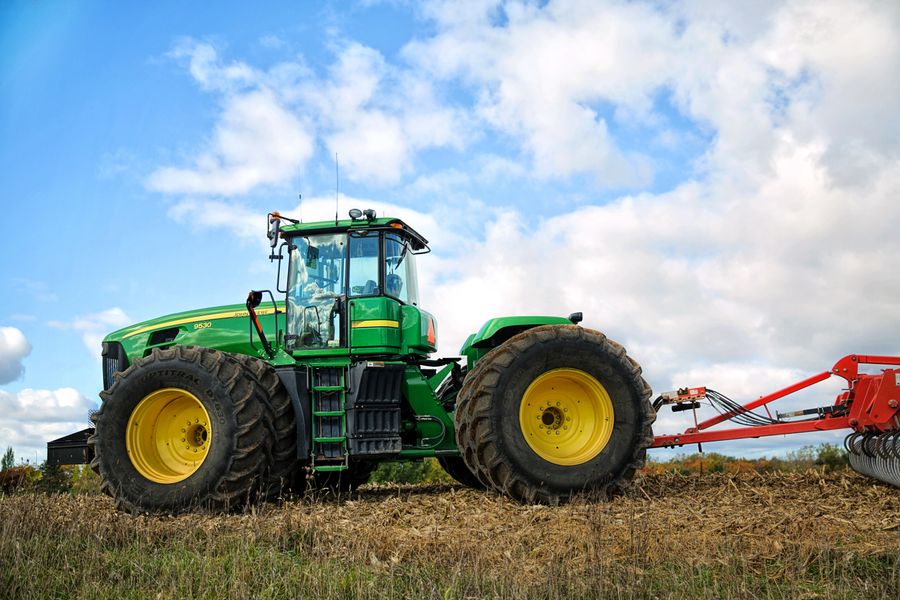
Modern machinery, like tractors and harvesters, has replaced much manual labour, allowing farmers to work larger areas more quickly and efficiently.
Why it matters
Scientific methods, like soil testing and precision farming, help farmers use resources like water and fertiliser more efficiently, reducing waste.
Key detail
While modernisation has increased food production significantly, it has also raised concerns about environmental impact, water usage, and the cost of inputs for small farmers.
Exam highlight
Trending
Most searched
Study resources
• The Green Revolution began in the 1960s.
• It introduced high-yielding seeds, fertilisers and better irrigation.
• It significantly increased India's food production.
• Modern machinery includes tractors and harvesters.
• Machinery replaces manual labour and increases efficiency.
• Soil testing and precision farming are scientific methods.
• These methods reduce waste of water and fertiliser.
• Modernisation raises environmental and cost concerns too.
Frequently tested concept from this chapter in school exams.
Research the Green Revolution and its impact.
Write & explainDiscuss how tractors have changed farming.
Write & explainExplain what precision farming means.
Write & explainDiscuss one benefit and one concern of modern agriculture.
Write & explainResearch a modern farming technology used in India.
Write & explainCompare traditional and modern agriculture's environmental impact.
Write & explainBeyond the syllabus
Theme